Slik kjøper du
Trenger du råd? Våre kunskapsfulle forhandlere er mer enn glad for å hjelpe deg. Selv med store og små spørsmål.
Finn en forhandler nær deg
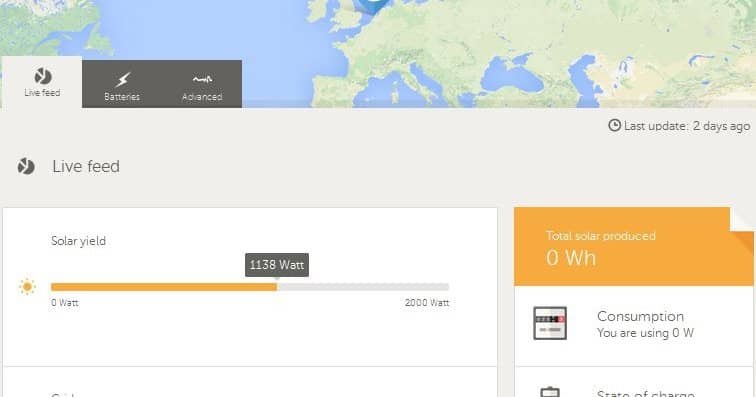
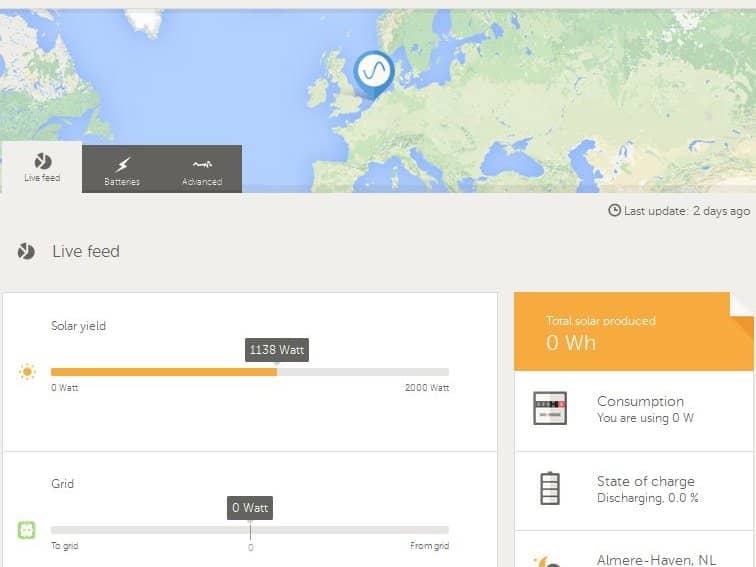
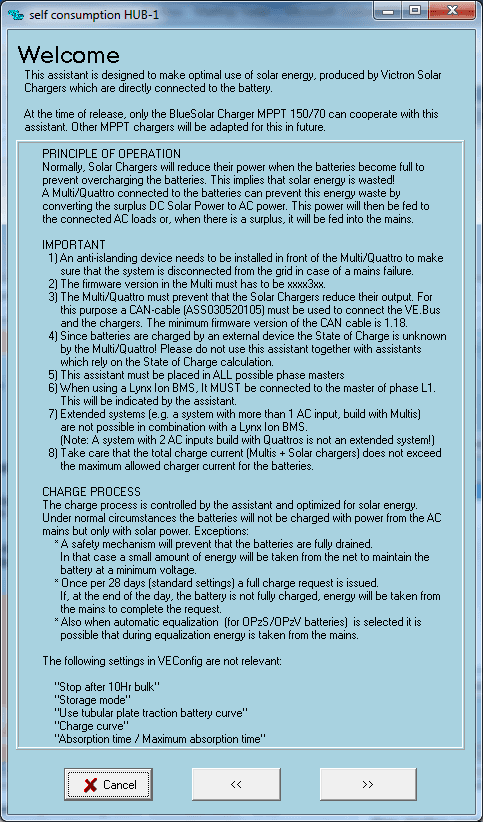
Solar chargers will normally reduce their power when the batteries become full. Otherwise they would overcharge the batteries. Solar power is obviously wasted when reducing the output power. For off-grid systems one could start a pump, or a heater, or do something else that uses this ‘excess’ power. And in on-grid systems in countries with a feed-in tariff it would pay to keep converting at the Maximum Power Point, and then have the Multi feed that surplus back into the grid. And that is exactly what we call a Hub-1 system: as soon as batteries are becoming full, the solar charger will keep operating at the maximum power point and ‘push’ as much power as possible on to the DC. The Multi, in constant communication with the Solar charger, will take that excess power and feed it back into the grid.
More background information about Hub-1 can be found in my previous blogpost about Hub1, and in my father’s excellent brochure about Self-consumption and Energy Storage.
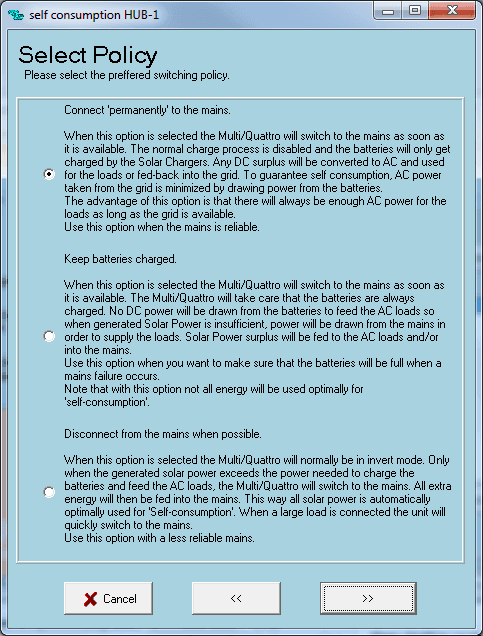
Hub-1 allows several selection policies, as explained on this page of the Assistant:
I am sure there are many more questions, please use the comments. Early next week I’ll add a schematic that shows the system.
Have a good weekend! Matthijs
Trenger du råd? Våre kunskapsfulle forhandlere er mer enn glad for å hjelpe deg. Selv med store og små spørsmål.
Finn en forhandler nær deg
Sjekk med vår support ressurs eller kontakt din lokale forhandler for dedikert support, reparasjon eller garantiforespørsel.
Support
Les mer om vår bransjeledende 5-års standardgaranti og globale reparasjonsservice.
Garanti

Meld deg på vårt nyhetsbrev på ditt foretrukne språk

Dette er Victron

Personvernserklæring
Informasjonskapselpreferanser
Bruk av informasjonskapsler
Vilkår for bruk
Juridisk merknad
©Victron Energy 2026